
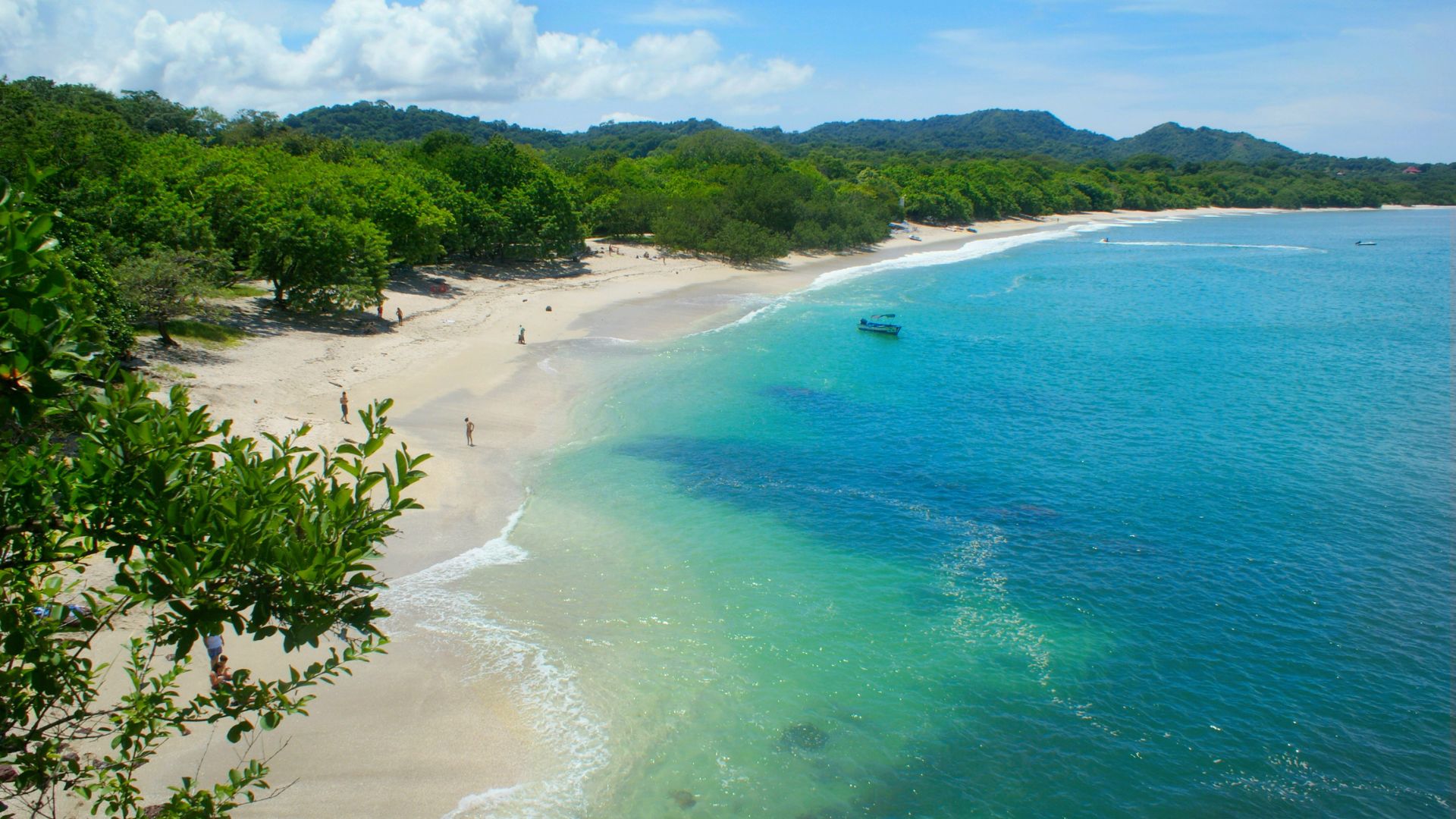
What Does It Really Cost to Live in Tamarindo?
An honest, local perspective — not a spreadsheet from someone who's never lived on the Gold Coast.
Every week, someone walks into our office in Plaza Destiny with the same mix of excitement and nerves: they've fallen in love with Tamarindo on vacation, and now they're wondering if they can actually afford to stay. There's no single answer — a retired couple in a quiet inland neighborhood and a young family renting steps from the beach are working with very different numbers. Here's what we actually see, week to week, with the buyers and renters we work with.
A note before the numbers: every guide on the internet — including this one — gives you ranges, not guarantees. Utility bills swing with air conditioning use, grocery bills swing with how often you eat imported cheese instead of local produce, and rent swings with the season. Treat everything below as a starting point for your own conversation with us, not a fixed budget.
The Short Version
- Day-to-day living (food, transport, utilities) tends to run noticeably lower than in a typical U.S. or Canadian city — housing is where the real savings show up.
- Beach towns like Tamarindo carry a premium over inland towns like Liberia or the Central Valley — you're paying for proximity to the ocean and a built-in expat community.
- Air conditioning, imported groceries, and owning a car are the three expenses that surprise newcomers the most.
- Qualifying for residency has its own income rules, separate from your actual monthly spending.
A Realistic Monthly Budget Near Tamarindo
These are ballpark figures we see reflected in what our clients tell us they spend, for a couple renting long-term (not vacationing):
| Category | Modest | Comfortable |
|---|---|---|
| Long-term rental | $900 – $1,300 | $1,800 – $3,000 |
| Groceries (mostly local) | $350 – $450 | $500 – $700 |
| Eating out / sodas | $100 – $150 | $300 – $500 |
| Electricity & water | $80 – $140 | $180 – $300 |
| Transportation | $70 – $150 | $200 – $400 |
| Health coverage | $100 – $180 | $200 – $400 |
Illustrative ranges based on typical patterns we observe; not a substitute for your own detailed budget.
Where Tamarindo Costs More Than Inland Guanacaste
A two-bedroom home ten minutes inland can rent for meaningfully less than the same size property a five-minute walk from the beach. That gap is the "Tamarindo premium" — you're paying it for walkability, surf access, restaurants, and an established community of other expats who've already figured out the logistics of living here.
The Expense Nobody Warns You About: Electricity
Water is inexpensive and reliable. Internet is decent and affordable. Electricity is the line item that catches people off guard — almost always because of air conditioning. Homes that lean on ocean breeze, ceiling fans, and shaded outdoor living spaces keep bills dramatically lower than homes that run AC around the clock. If you're touring properties with us, ask about orientation and airflow — it matters more than people expect.
Cars: Buy Local Habits, Not a Local Car
Import taxes on vehicles in Costa Rica are steep, so the sticker price on anything you bring in — or buy here — will surprise you. Most residents we work with either bring one reliable vehicle and lean on buses and rideshare for the rest, or skip car ownership entirely for the first year while they get a feel for how much they actually need one.
Qualifying for Residency: A Separate Question From Your Budget
Your monthly spending and your residency eligibility are two different conversations. Costa Rica has several residency categories, each with its own income or investment threshold you have to document — not necessarily what you plan to spend day to day.
- Pensionado — for retirees with a qualifying lifetime pension.
- Rentista — for those who can show stable passive income, or an equivalent bank deposit.
- Digital Nomad / Remote Worker — for those employed or contracted outside Costa Rica.
- Inversionista — for those investing in qualifying real estate or a local business.
Requirements and thresholds change periodically — always confirm current figures with an immigration attorney before making a decision based on them.
Frequently Asked Questions
Is it cheaper to live inland or right in Tamarindo?
What's the biggest expense that catches newcomers off guard?
Do I need to own a car to live near Tamarindo?
Does my monthly budget determine which residency I qualify for?
Curious How the Numbers Look for Your Move?
Tell us your situation — retiring, relocating with a family, or working remotely — and we'll walk you through real neighborhoods that fit your budget, not just a spreadsheet.
Contact Us Browse Properties